In modern industrial systems, high performance is achieved when the motor and motor drive operate in harmony. Beyond the motor’s power and motion capabilities, how this motion is controlled also affects the efficiency and reliability of the system.
The motor and motor drive are two essential components of motion control systems that complement each other. When properly matched, they provide precise control, stable operation, and performance tailored to the application.
How Do Motors and Motor Drives Work Together?
A motor converts electrical energy into mechanical motion. A motor drive, on the other hand, manages the power and control signals delivered to the motor, allowing speed and torque values to be adjusted according to the application’s requirements.
The compatibility of these two components helps the system respond to different operating conditions in a more controlled and predictable manner.
Advantages of Proper Motor-Drive Matching
1. More Precise Motion Control
Motor and drive compatibility allows speed and torque control to be adjusted according to the application’s requirements. This offers significant advantages in terms of precise movement and controlled acceleration, particularly in robotic systems and automation equipment.
2. More Efficient Energy Use
Proper management of the speed and torque values required by the motor can help reduce unnecessary energy consumption. This supports the system’s long-term energy efficiency.
3. Stable and Reliable Operation
Using a drive suited to the motor’s specifications helps maintain more consistent performance under varying loads and operating conditions. Monitoring parameters such as current and temperature also contributes to system reliability.
4. Easier System Integration
Evaluating the motor and drive together makes it easier to ensure compatibility between electrical requirements, control methods, and connection options. This also contributes to a smoother system design and integration process.
Motor-Drive Compatibility in DC and BLDC Systems
Motor and drive matching involves different requirements depending on the motor technology used.
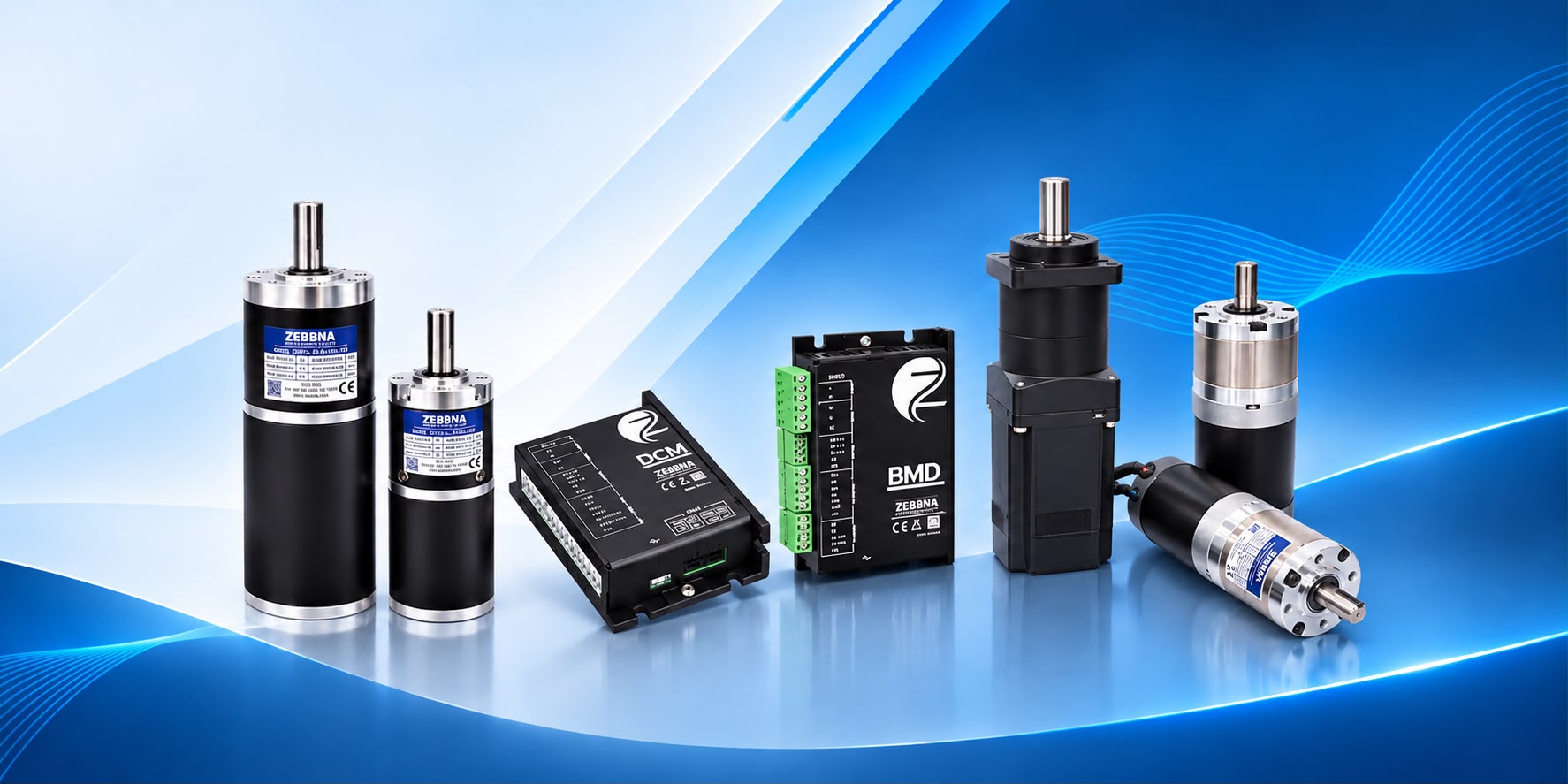
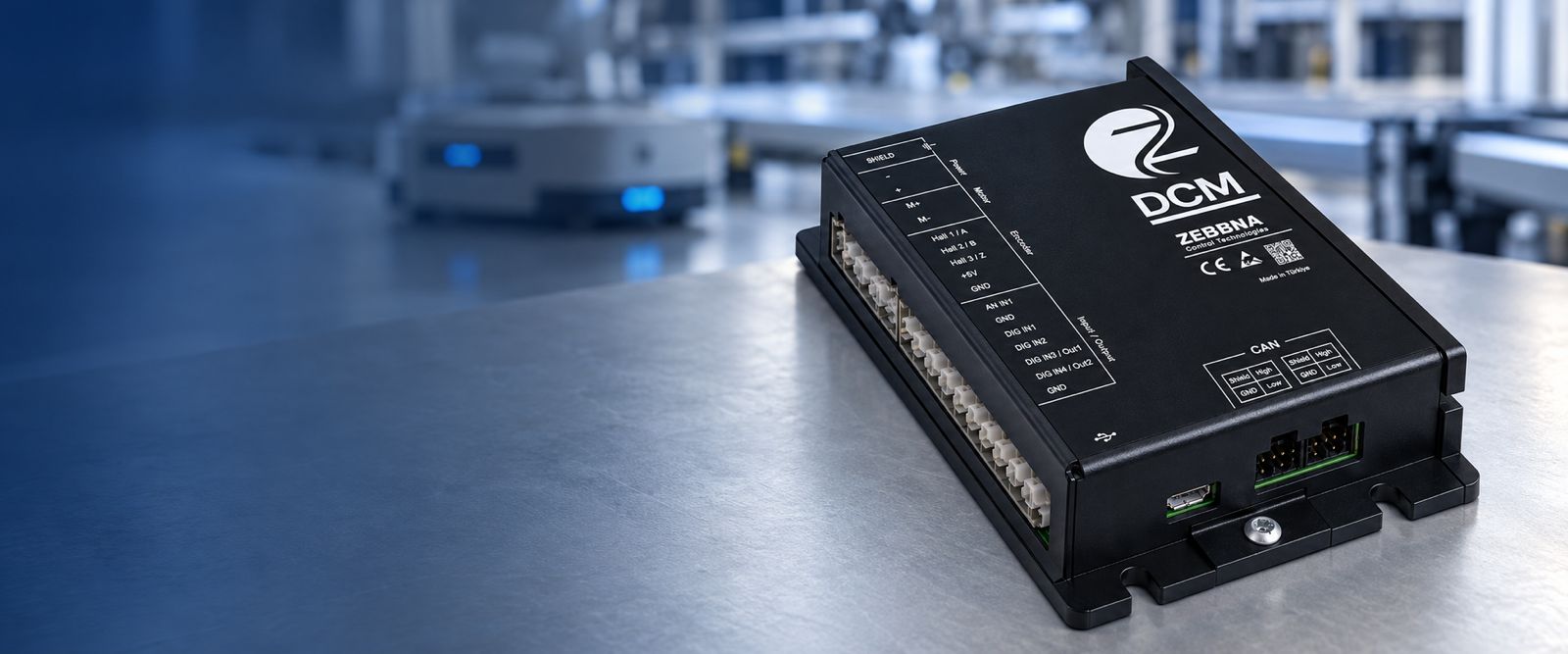
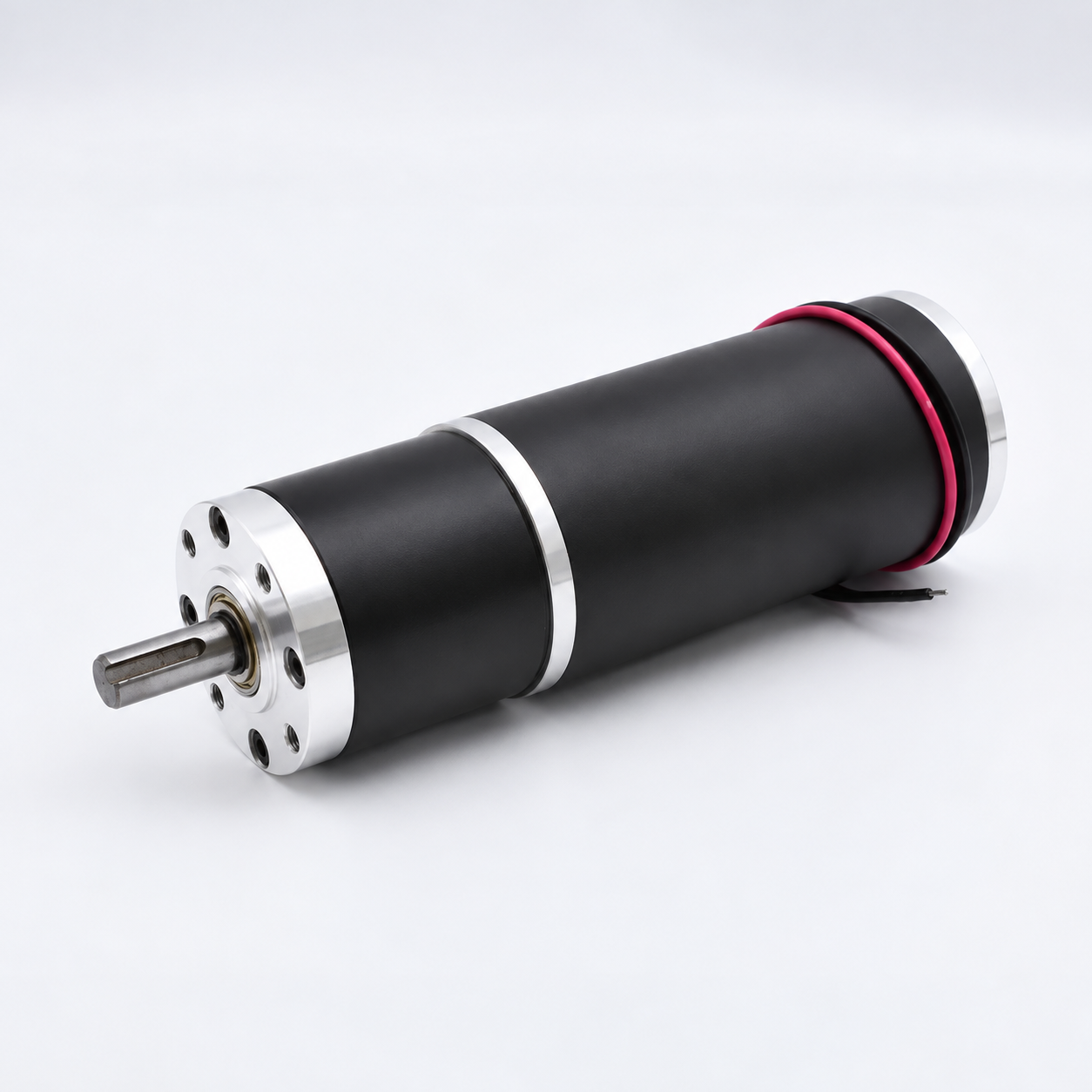
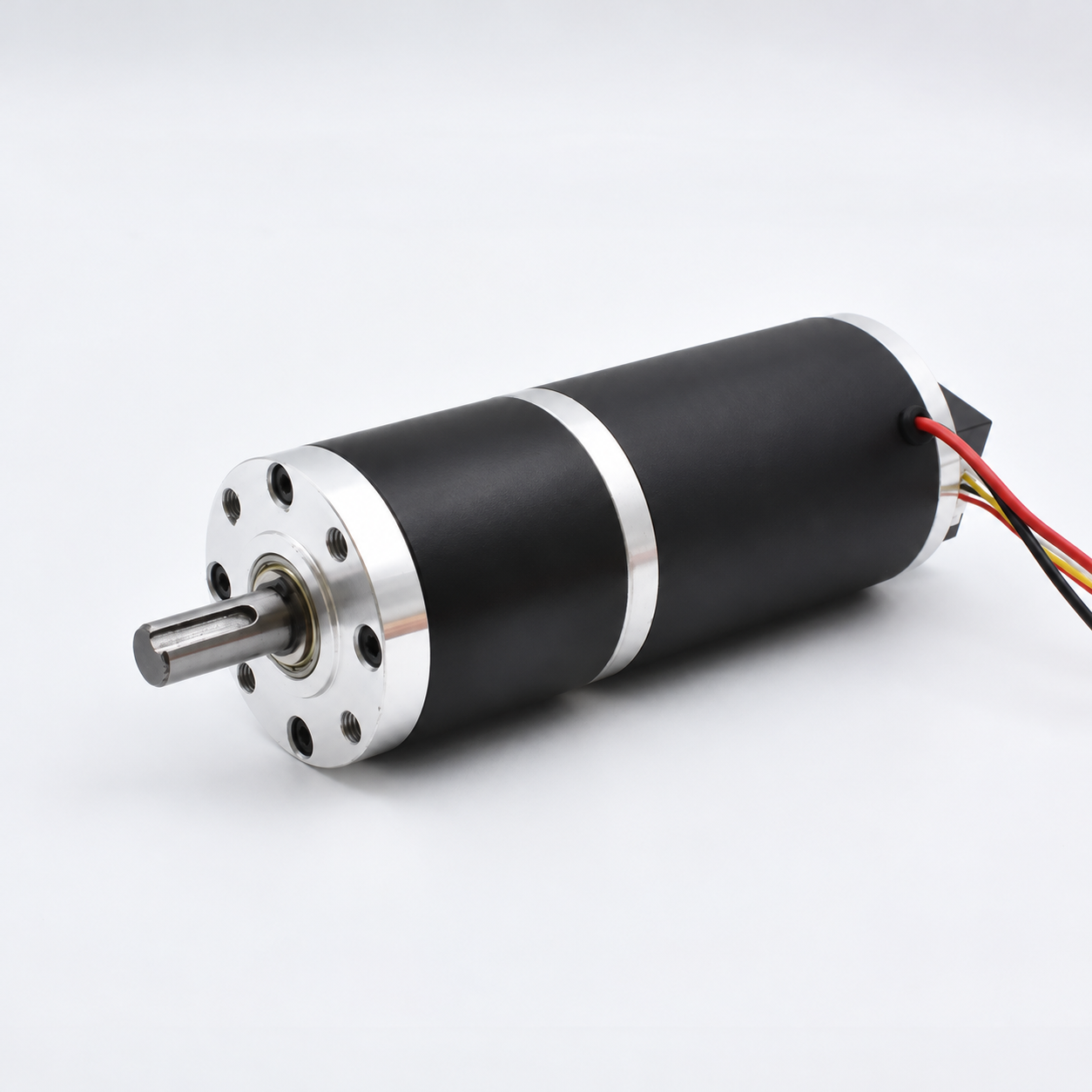
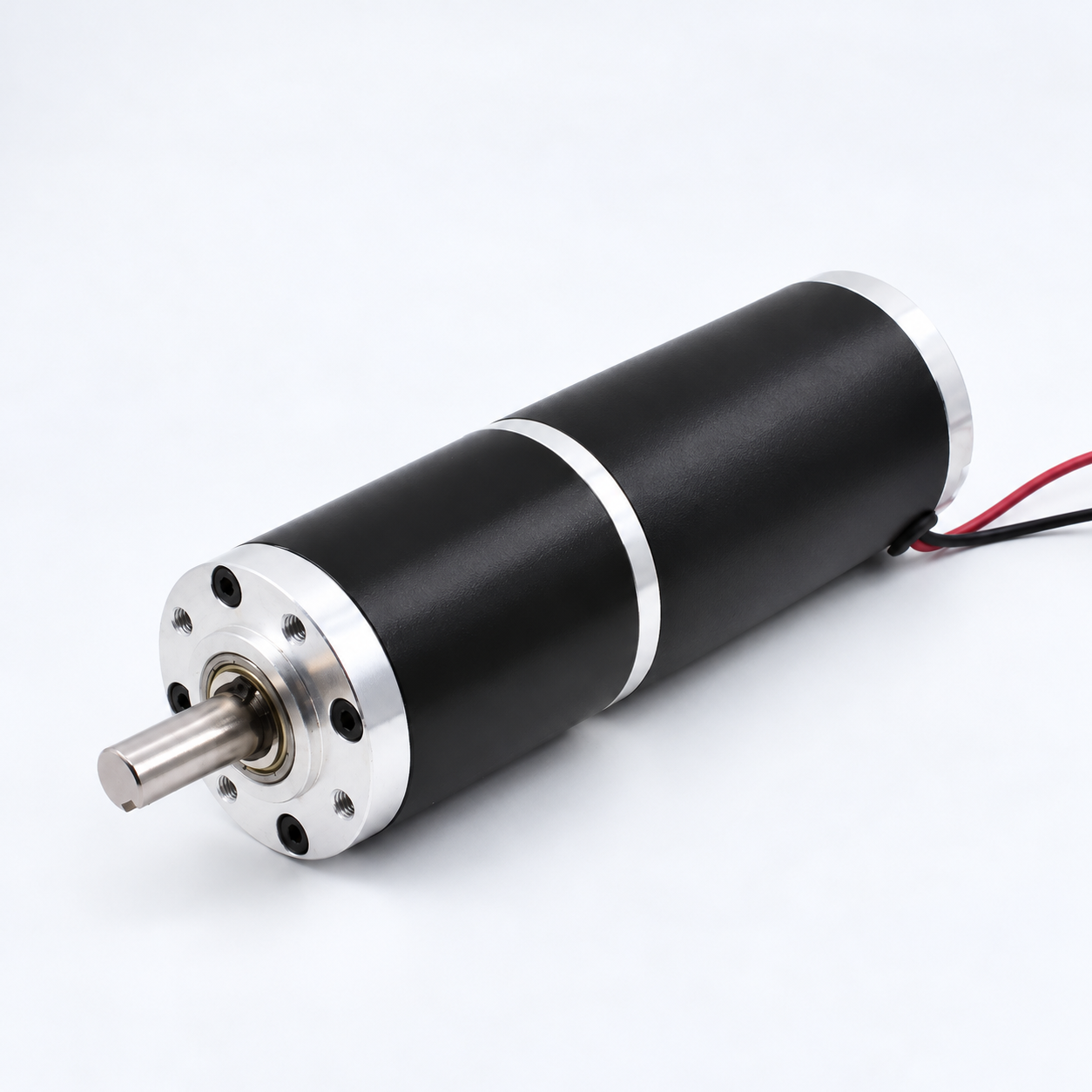
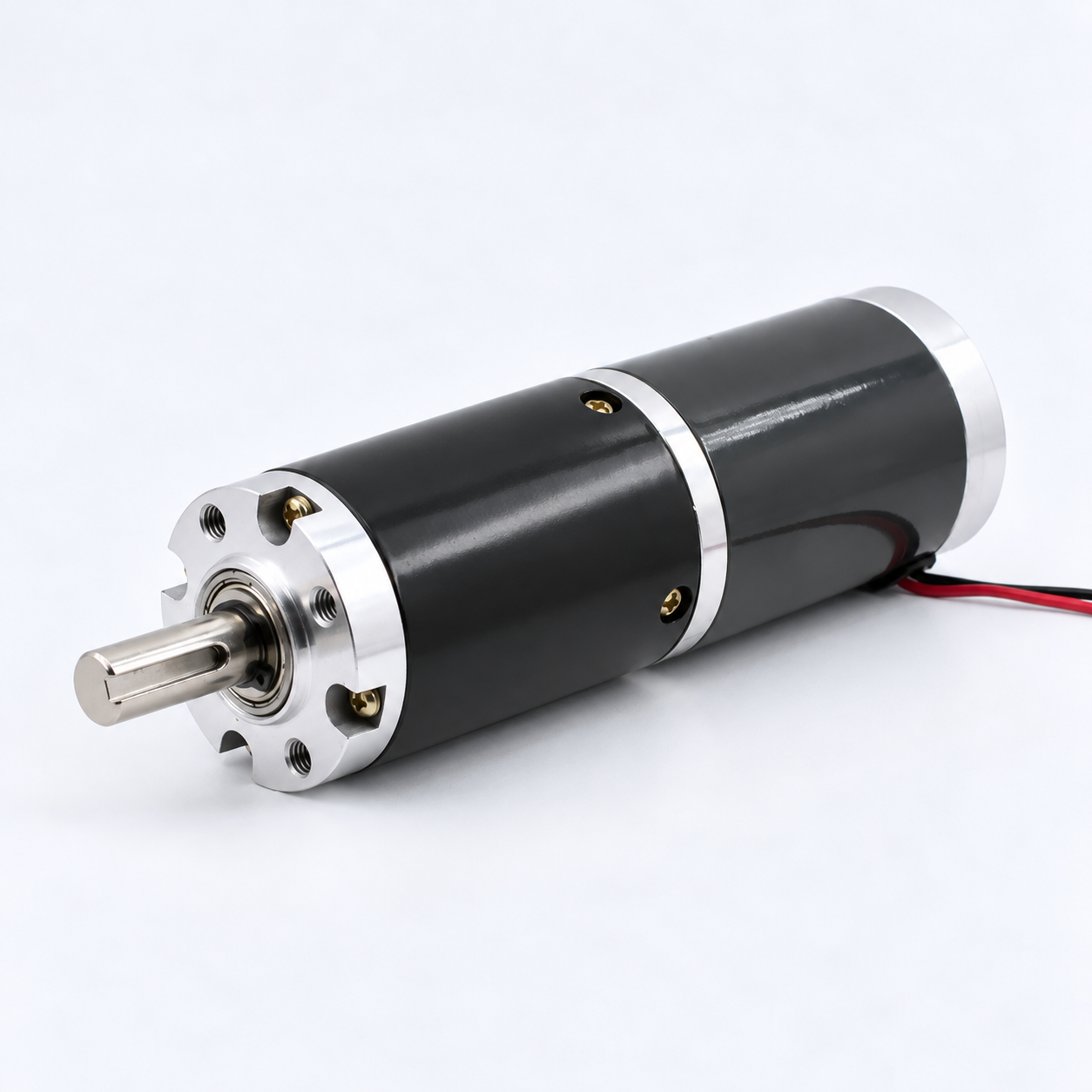
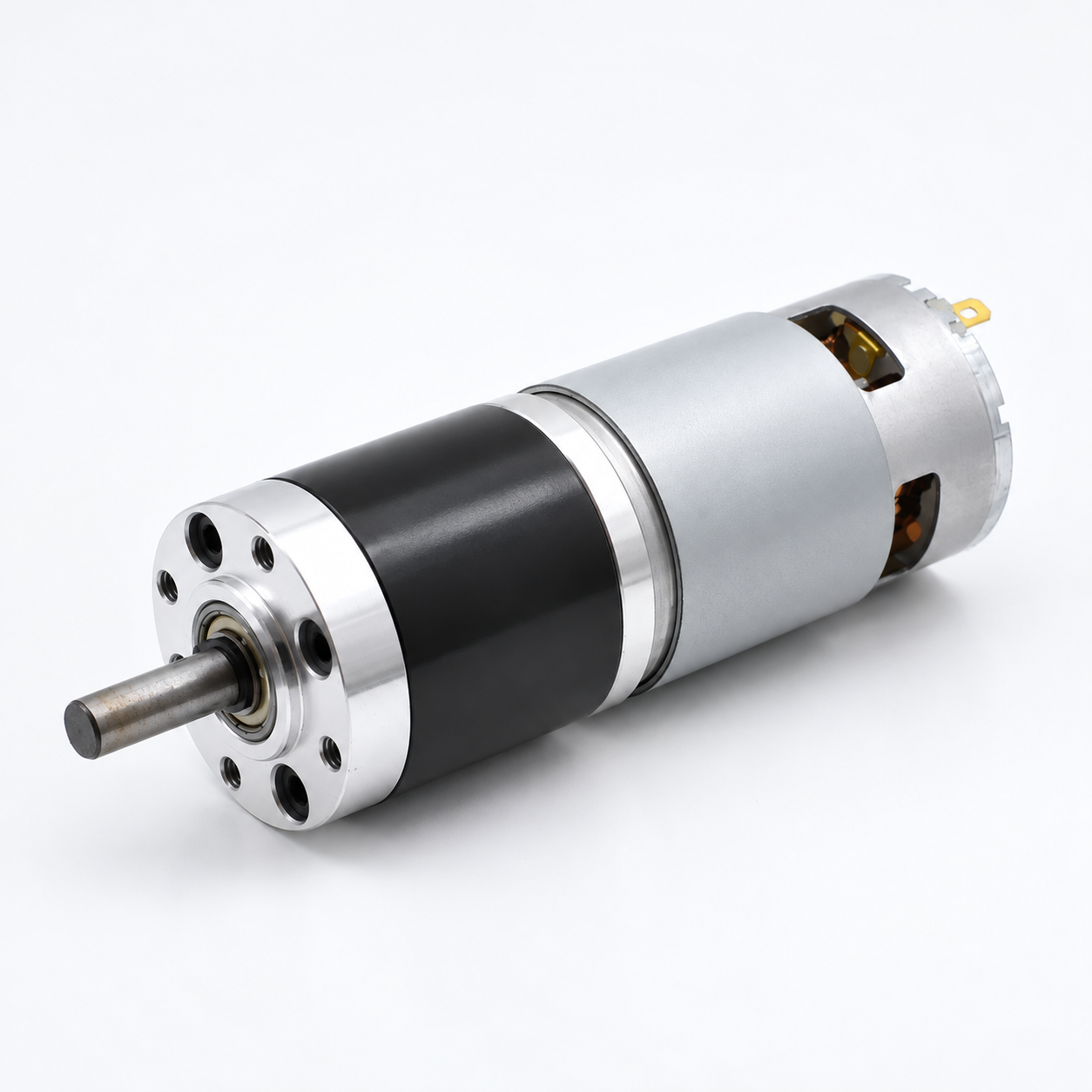
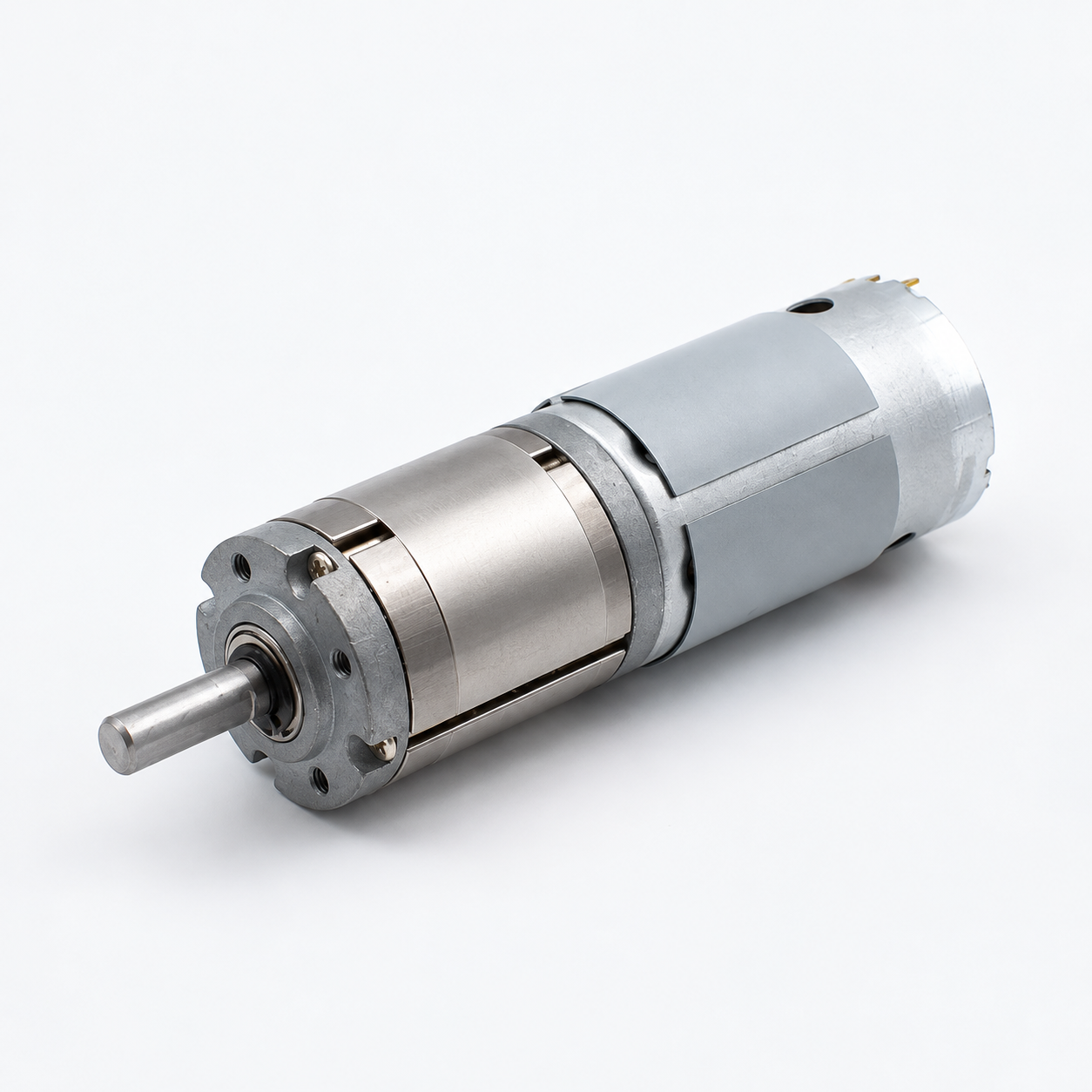
For brushed DC motor systems, ZEBBNA’s BDC Series motors and DCM Series motor drives are among the solutions available in this field. The DCM Series is specifically developed for controlling brushed DC motors.
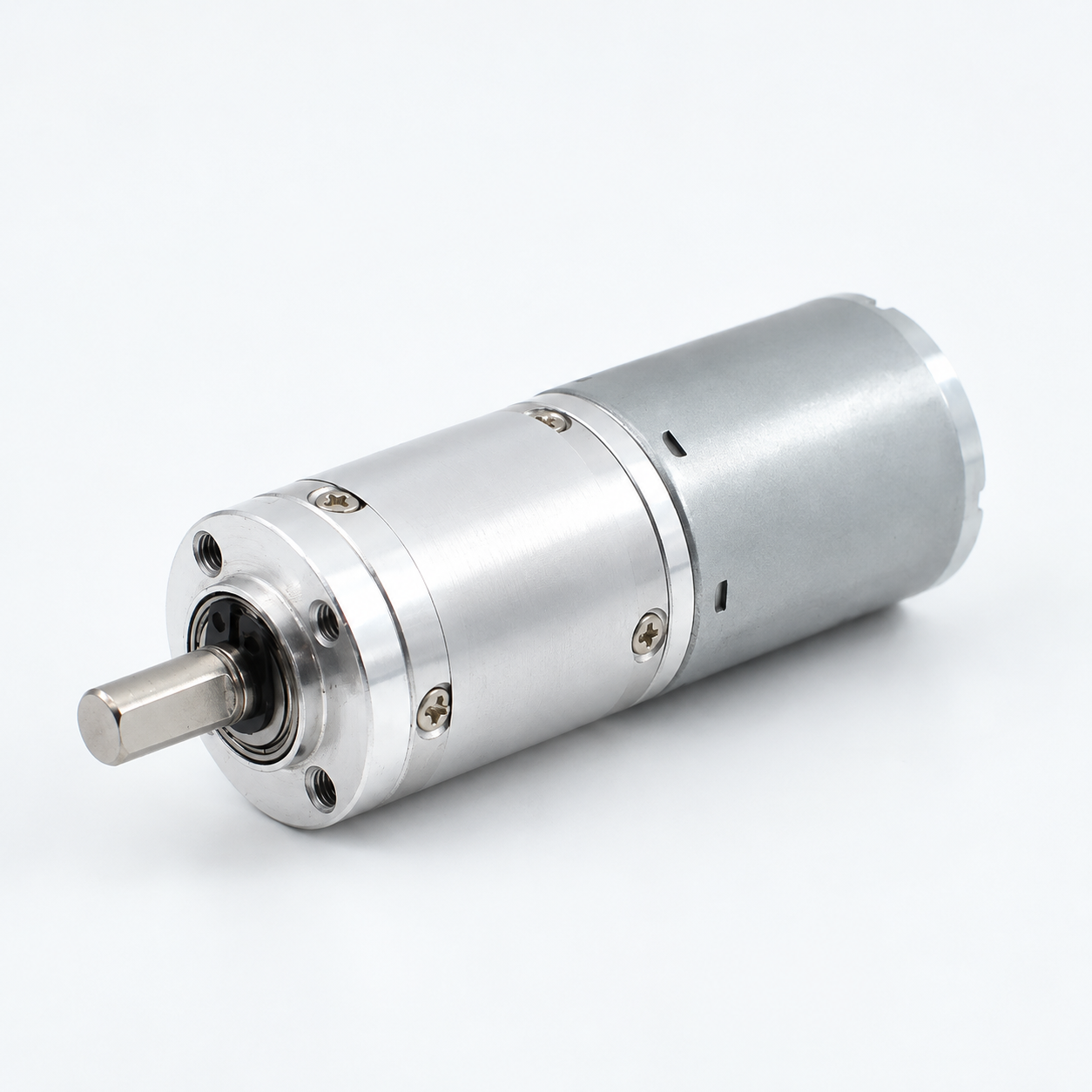
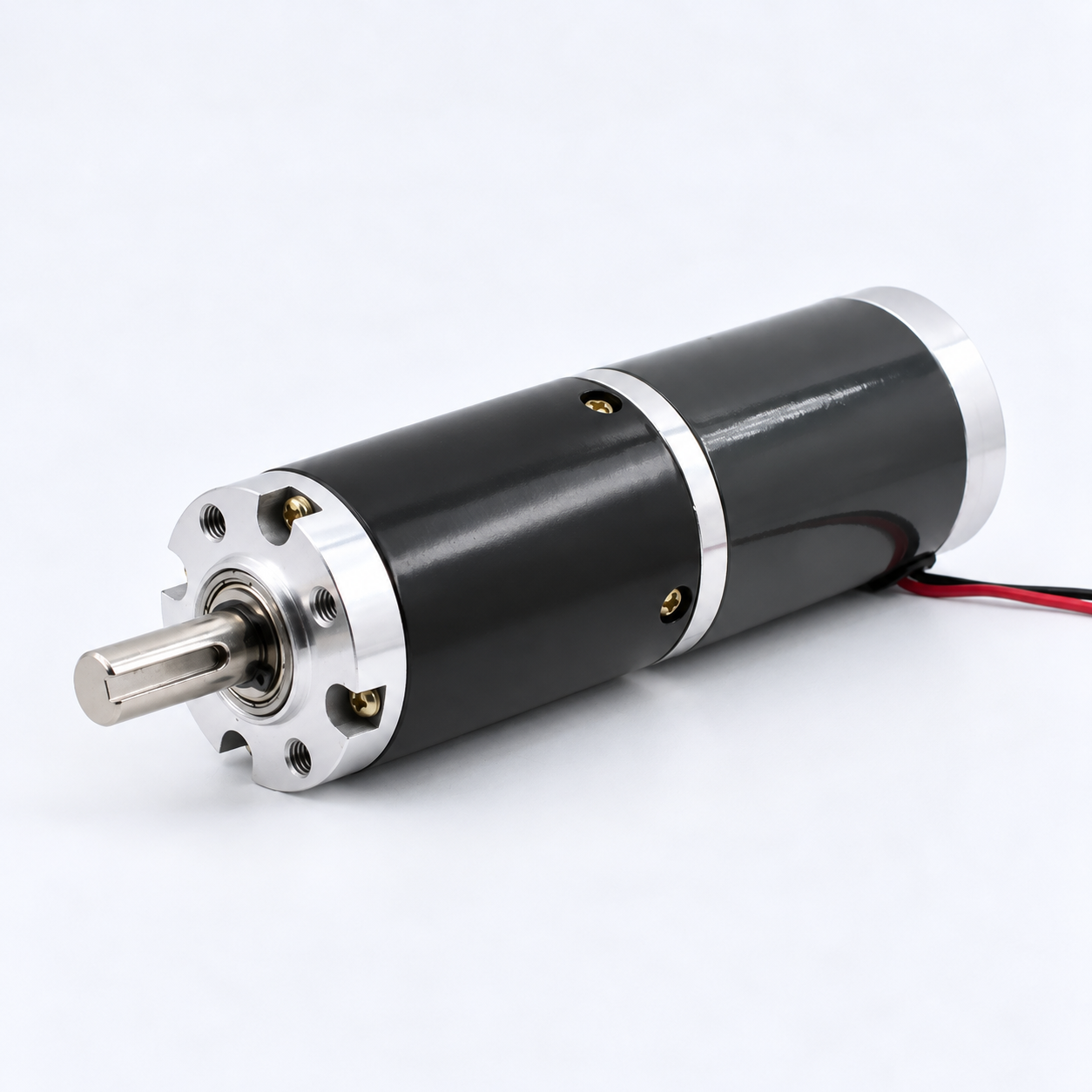
For BLDC motor systems, the BL Series motors and BMD Series motor drives stand out. The BMD Series offers features such as precise speed and torque control through its FOC control algorithm.
In both technologies, the goal is to make effective use of motor capabilities while providing motion control tailored to the application’s requirements.
Choosing the Right Solution for Your Application
Several key criteria should be considered together when selecting the right motor and drive:
- Motor Type: Brushed DC or BLDC motor technology.
- Voltage and Current: The electrical requirements of the motor.
- Speed and Torque: The control capabilities required by the application.
- Control Features: Speed, torque, and position control requirements.
- Operating Conditions: Load, temperature, and environmental factors.
Considering these criteria together helps ensure that the system is designed to meet both current and future requirements.
Evaluating motor and drive technologies together supports the selection of application-specific components and the development of more integrated system solutions. The success of a motion control system depends not only on the motor’s power but also on how well all components work together.
ZEBBNA – One Source, Compatible Motion Control Solutions.